

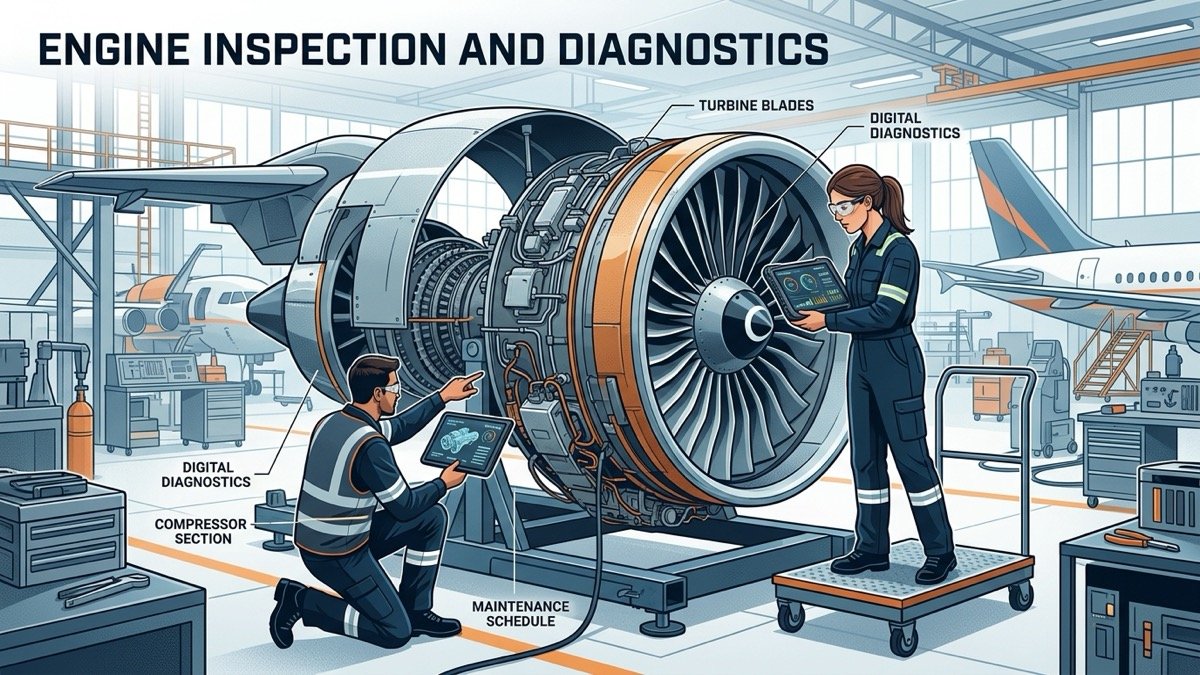
The global commercial aviation industry has escalated its antitrust push against original equipment manufacturers (OEMs), demanding open market access for reconditioned and used aircraft engine components. The International Air Transport Association (IATA), which represents roughly 300 airlines accounting for over 80% of global air traffic, warned that restrictive contractual practices are worsening worldwide maintenance backlogs and grounding commercial fleets.
The campaign targets long-standing commercial barriers that prevent third-party maintenance, repair, and overhaul (MRO) facilities from harvesting, recertifying, and installing 'used serviceable material' (USM) parts on major commercial turbofan engines without proprietary OEM licensing.
The Turboprop Antitrust Precedent
IATA's renewed push builds on a landmark European Commission antitrust settlement with Pratt & Whitney Canada, in which the engine builder agreed to remove restrictive clauses that barred independent repair shops from sourcing component sections from decommissioned regional turboprops. IATA officials emphasized that while the regional settlement established an important legal principle, regulatory intervention must now extend to mainstream narrowbody commercial powerplants.
| Component / Parameter | Pre-2020 Baseline | Current Industry Reality | Impact on Airline Operations |
|---|---|---|---|
| Engine Shop Turnaround Time | 60–75 calendar days | 140–180 calendar days | Multi-month aircraft groundings during peak travel seasons |
| Used Serviceable Material (USM) Access | Strictly OEM-controlled warranties | Independent certified shops restricted | 30–50% price premiums on replacement turbine disks |
| Annual Grounding Costs | Estimated $1.8 billion | Exceeds $5.8 billion globally | Reduced route frequencies and inflated passenger ticket costs |
| High-Pressure Turbine Blades | 6–8 week lead time | 40–52 week procurement delay | Backlog of aircraft awaiting scheduled C-checks and overhauls |
Severe Shortages of Critical Turbine Components
The maintenance crunch has been particularly severe for high-demand workhorse engines such as the CFM56 and Leap series, where turnaround times in engine shops have surged from roughly two months prior to 2020 to more than five months today. Shortages of specialized alloys and precision-cast high-pressure turbine blades have left dozens of airliners parked in storage hangars awaiting engine overhauls.
Engine manufacturers contend that proprietary controls are essential to uphold flight safety standards and protect hundreds of millions of dollars invested in initial engine certification. However, airlines argue that expanding the availability of certified used parts from retired airframes would provide immediate relief without compromising safety.



Comments (0)
Log in to join the discussion.